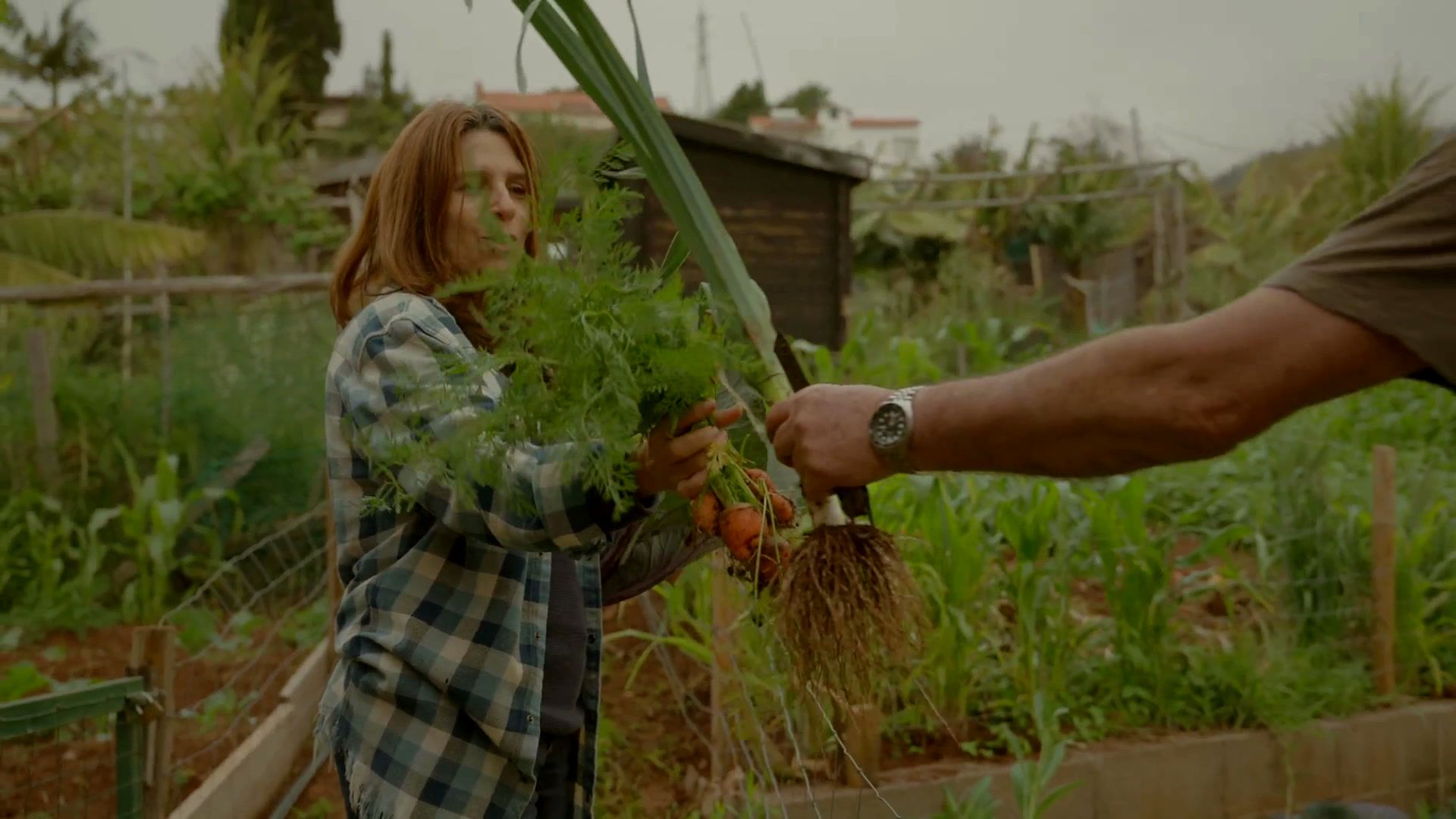
Pillar 1 of 5
PRODUCE
Promoting agroecological and regenerative food production, strengthening local farmers and restoring soil health, biodiversity and ecosystems.


The ReFood Community Model
The central framework of every ReFood Community: five universal pillars, one shared methodology, and locally appropriate solutions in every place.
Every ReFood Community is built around five interconnected pillars. Together they form one cycle, from the field back to the soil, so that each activity strengthens the next.
1 of 5
Promoting agroecological and regenerative food production, strengthening local farmers and restoring soil health, biodiversity and ecosystems.
2 of 5
Developing local food processing, preservation and value creation, strengthening local economies and reducing food loss.
3 of 5
Reconnecting consumers with healthy, nutritious, culturally appropriate and locally produced food through local markets, restaurants, schools and institutions.
4 of 5
Improving equitable access to nutritious food through redistribution, food rescue, solidarity initiatives and partnerships with social organisations.
5 of 5
Closing nutrient cycles by recovering organic waste, developing local composting systems and returning nutrients to agricultural soils.
These five pillars are universal across all ReFood Communities.
Pillar 1 of 5
Promoting agroecological and regenerative food production, strengthening local farmers and restoring soil health, biodiversity and ecosystems.

Pillar 2 of 5
Developing local food processing, preservation and value creation, strengthening local economies and reducing food loss.

Pillar 3 of 5
Reconnecting consumers with healthy, nutritious, culturally appropriate and locally produced food through local markets, restaurants, schools and institutions.
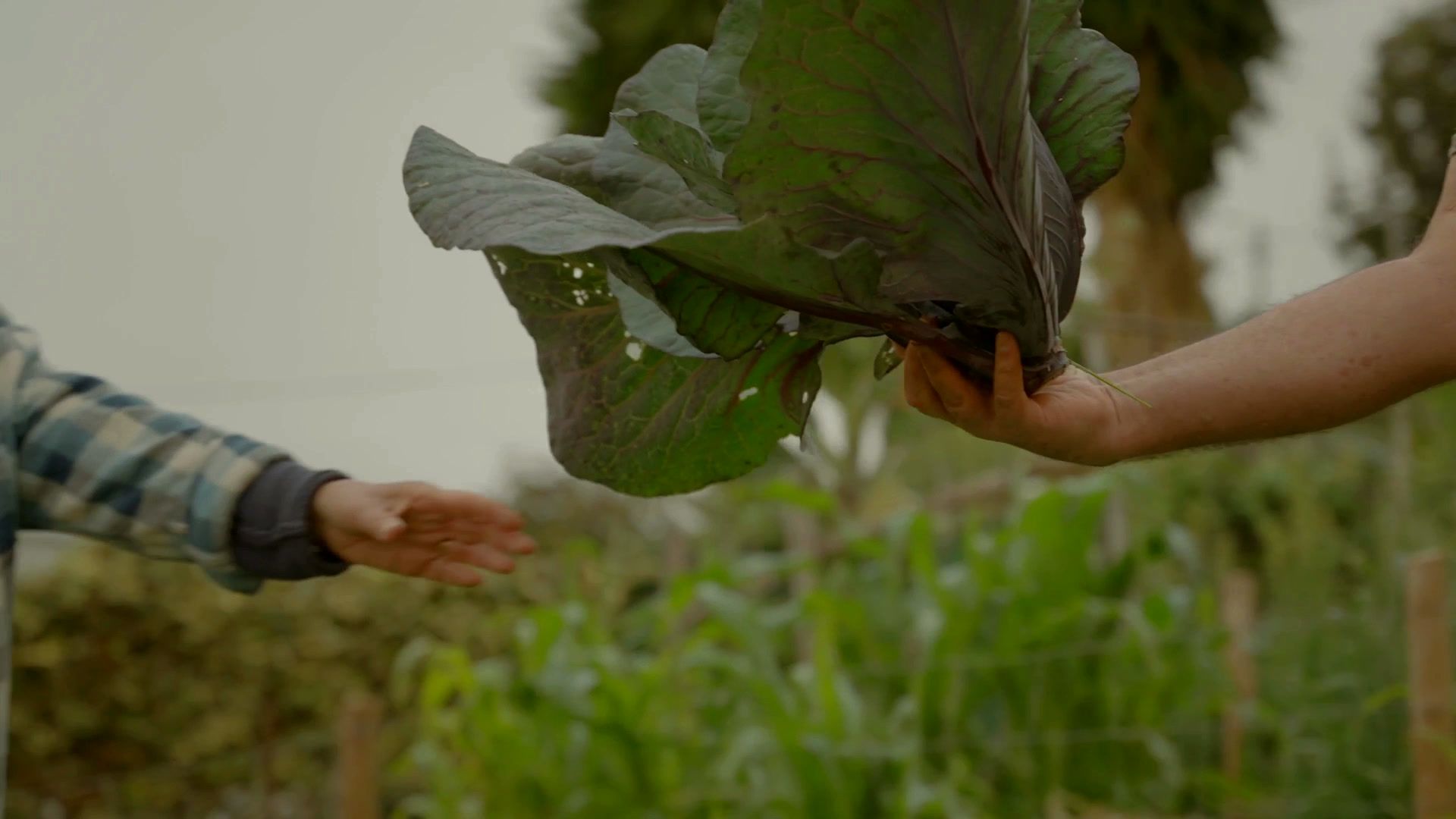
Pillar 4 of 5
Improving equitable access to nutritious food through redistribution, food rescue, solidarity initiatives and partnerships with social organisations.
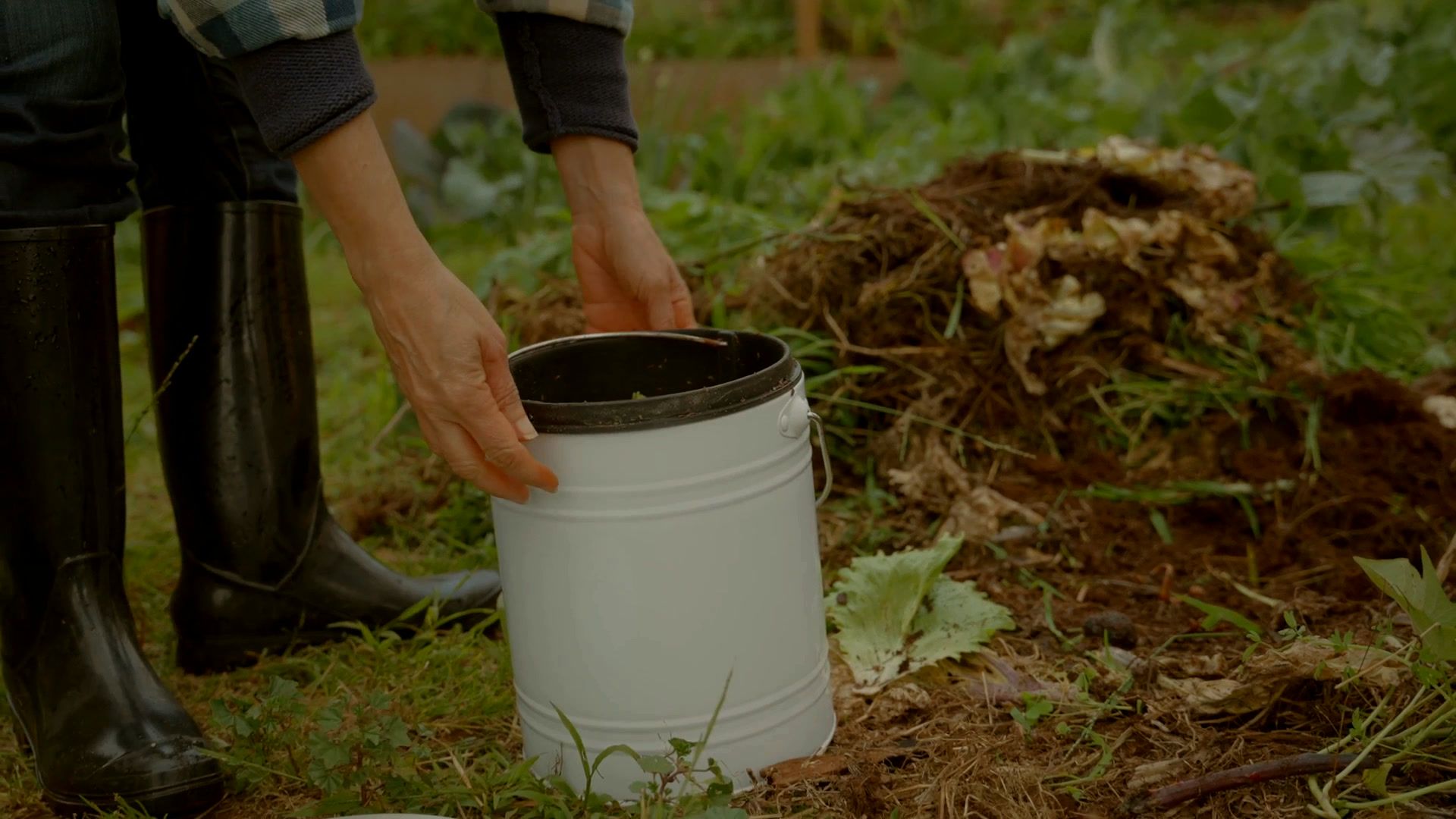
Pillar 5 of 5
Closing nutrient cycles by recovering organic waste, developing local composting systems and returning nutrients to agricultural soils.
The five pillars provide a common international framework. Their practical implementation always reflects local circumstances. The ReFood Network provides the common methodology, while communities develop their own locally appropriate solutions.
Each community adapts its activities according to:
ReFood Communities are open, collaborative initiatives. A ReFood Community does not necessarily need to be a separate legal entity: its governance and organisational structure reflect local circumstances.
The five pillars are supported by cross-cutting principles that run through every community's work.
In development
In a later phase, The ReFood Network will introduce a ReFood Community certification framework, built on the five pillars and run as a Participatory Guarantee System (PGS). A PGS is not a conventional external inspection: communities, peers and local stakeholders evaluate together, learn from each other and improve over time.
Communities will be able to assess their current development, identify strengths and weaknesses, set improvement goals, document their activities and take part in peer reviews. The ReFood Network remains the owner and steward of the framework, its standards and the recognition process.
Certification is not available yet. We will share more when the framework is ready.
Every ReFood Community starts with local people and the food around them.