

A Global Alliance for Agroecology & Regenerative Food
About the Network
A Global Alliance for Agroecology & Regenerative Food, driving systemic food transformation and localised resilience.
Vision and mission
Our vision
A just, equitable and regenerative food system where local communities and ecosystems thrive.
Our mission
Empowering local food actors to build self-reliant, regenerative communities worldwide.
What the “Re” in ReFood means
The "Re" in ReFood stands for four ideas. Our approach goes beyond conventional sustainability: it aims to restore ecological systems, strengthen local economies, improve food access and empower communities.
- Restoration
- Regeneration
- Resilience
- Renewal
From Global Alliance to Local Action.
2021
The ReFood Network originates in the Food Systems Game Changers Lab, bringing together actors working towards the transformation of global food systems.
2022
The initiative develops into an international nonprofit organisation.
Today
Registered in Toronto, Canada. ReFood Communities in Belgium, Brazil, Dominican Republic and Kenya, with South Sudan in the preparation phase.
The ReFood Network grew out of an accelerator run by EAT, IDEO and Thought For Food. The Rockefeller Foundation provided the first seed funding.
- EATAccelerator at the origin of the network
- IDEOAccelerator at the origin of the network
- Thought For FoodAccelerator at the origin of the network
- The Rockefeller FoundationFirst seed funding
A Global Team for Systemic Transformation.
A team of 6 people from 7 countries: Belgium, Brazil, Kenya, the Dominican Republic, Canada, Nigeria and South Sudan.

Ruth Jepchumba
President and Director of Technical Expertise
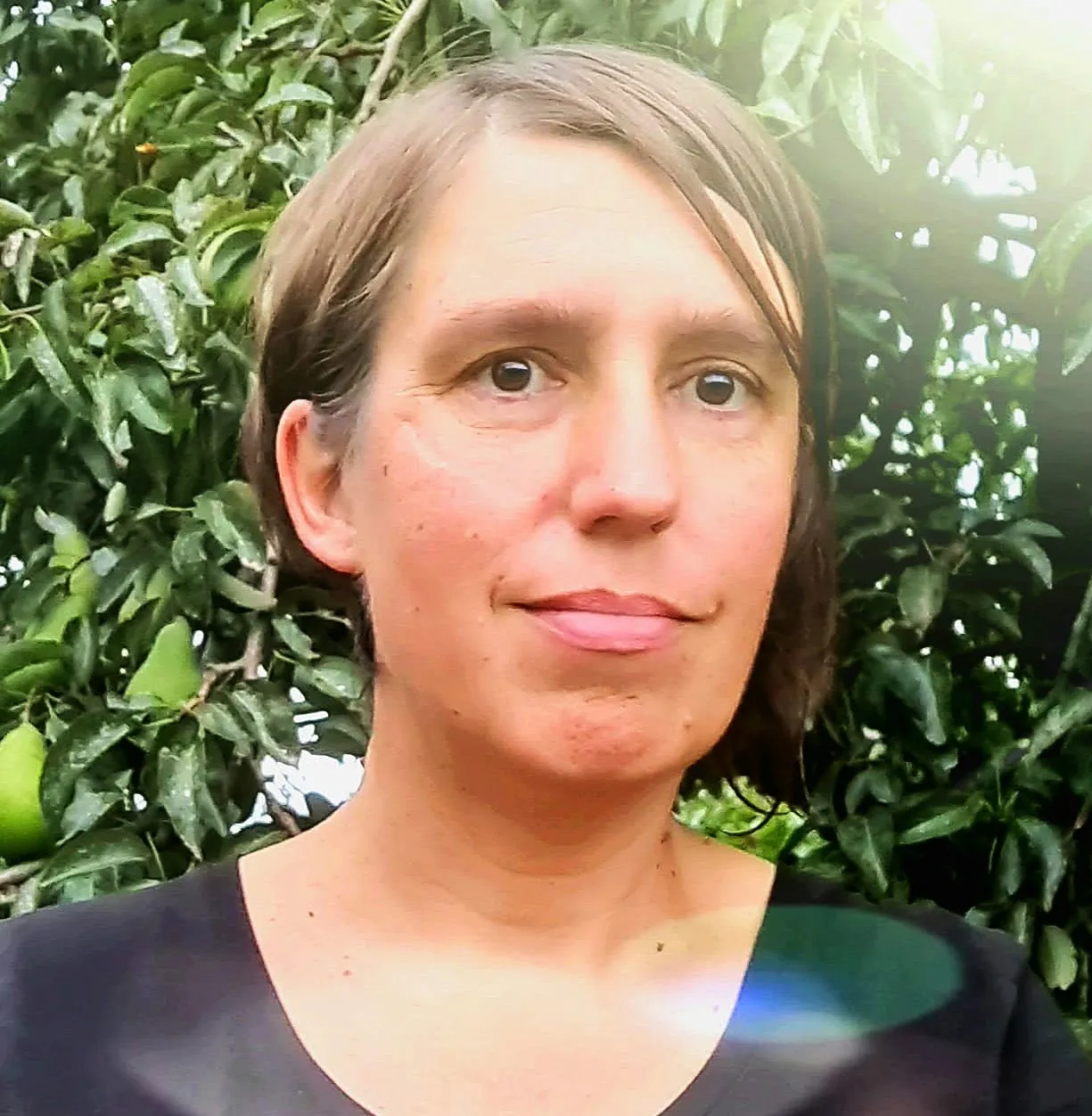
Lieve Claessen
Director of Community

Hubert Reyes
Director of Sustainability

Evelyn Dias
Director of Technology

James Lual Akech
Director of Partnerships

Abidemi Bakare
Director of Research
Regenerative glossary
The ideas behind the ReFood model, in plain words.
Agroecology
An approach to farming and food systems that applies ecological principles together with social values: working with nature, building on local and traditional knowledge, and putting farmers and communities at the centre of decisions.
Regenerative Agriculture
Farming practices that aim to restore soil health, biodiversity and water cycles rather than only limiting damage, for example through minimal soil disturbance, diverse rotations, permanent soil cover and integrating animals.
Biosequestration
The capture and storage of atmospheric carbon by living systems such as plants, trees and soil organisms. Healthy, living soils store carbon as organic matter.
Circular Food Systems
Food systems designed to keep resources in use and avoid waste: preventing food loss, redistributing surplus, and returning organic matter and nutrients to the soil.
Food Sovereignty
The right of peoples to healthy and culturally appropriate food produced in ecologically sound and sustainable ways, and their right to define their own food and agriculture systems.
Bioregional Development
Organising economic and social activity around natural regions, such as watersheds and landscapes, rather than administrative borders, so that development fits local ecology and culture.
Participatory Guarantee Systems
Locally focused quality-assurance systems in which producers, consumers and other stakeholders assess practices together, based on trust, shared standards, peer review and knowledge exchange, rather than relying only on external inspection.
Food Justice
The principle that everyone should have fair access to healthy, affordable and culturally appropriate food, and that the benefits and burdens of the food system are shared fairly.
Local Food Resilience
The ability of a local food system to keep feeding people through shocks such as climate events, economic crises or supply-chain disruptions, and to recover and adapt afterwards.
Partner for Systemic Impact.
Foundations, public institutions, companies, NGOs and international organisations: let's build resilient local food systems together.